IT Management
Posts filed under IT Management.

What Is an SLA?
This blog explains what an SLA is, how service level agreements work, and why they matter for IT teams and MSPs. It also explores SLA metrics, examples, best practices, and how Level supports stronger SLA performance through visibility, automation, and endpoint management.
IT Management
Backup Shadow Copies Explained: How VSS Works, What It Protects, and Why It Isn't a Backup
Backup shadow copies help Windows capture consistent snapshots of active data without interrupting users or applications. Learn how Volume Shadow Copy Service (VSS) works, the difference between snapshots and backups, common recovery scenarios, and why shadow copies should be part of a broader backup strategy.
IT Management
The State of Modern IT Operations
Modern IT operations are evolving rapidly as organizations manage more endpoints, cloud services, and security responsibilities than ever before. Learn the trends shaping today's IT teams and why proactive operations have become essential.
IT Management
What Makes a Healthy Endpoint?
A healthy endpoint is more than a device that is online. Learn how visibility, secure configuration, patching, vulnerability management, functioning security controls, and recovery readiness contribute to overall endpoint health.
IT Management
How Often Does File History Run?
How often does Windows File History run? Learn the default backup schedule, how File History creates versioned backups, how backup retention works, and where File History fits into a modern IT operations strategy.
IT Management
The True Cost of Waiting Until Users Report Problems
Waiting for users to report IT issues may seem practical, but it often delays detection and increases business disruption. Learn how proactive monitoring helps IT teams identify problems earlier, improve operational visibility, and reduce downtime.
IT Management
Why IT Standardization Matters
IT standardization creates consistency across configurations, processes, and security controls, making IT environments easier to secure, manage, and automate. Learn why standardized operations are a foundational step toward higher IT operations maturity and more efficient endpoint management.
IT Management
What Is Operational Excellence in IT?
Operational excellence in IT goes beyond keeping systems online. Learn how governance, service management, security, resilience, performance measurement, and continual improvement help organizations build reliable IT operations and advance through the IT Operations Maturity Model.
IT Management
What Are Managed IT Services?
Managed IT services provide ongoing technology support, monitoring, maintenance, and management through a third-party provider. This guide explains how managed IT services work, their benefits, common service types, and when businesses should use them.
IT Management
What Is Incident Management?
Incident management helps IT teams restore services quickly, minimize downtime, and continually improve operations. Learn the incident management lifecycle, best practices, key metrics, and how frameworks like ISO, NIST, CISA, and FIRST guide effective IT operations.
IT Management
Why IT Complexity Keeps Increasing
Modern IT environments are more complex than ever, driven by hybrid work, cloud adoption, endpoint growth, and expanding cybersecurity responsibilities. Discover what's causing the complexity and how IT teams can better manage it.
IT Management
The Biggest Challenges Facing Modern IT Teams
IT teams are managing more devices, cloud services, security responsibilities, and user expectations than ever before. Learn the biggest challenges shaping modern IT operations and how proactive strategies help organizations stay ahead.
IT Management
Retail IT Infrastructure Management: Best Practices for Reliable, Secure Retail Operations
Retail IT infrastructure powers everything from POS systems and store networks to inventory management and payment processing. Learn the best practices and industry frameworks that help retailers build secure, resilient, and scalable technology environments.
IT Management
Common Causes of IT Downtime
Downtime affects productivity, customer experience, and business continuity. Discover the most common causes of IT downtime and how proactive monitoring, automation, and endpoint visibility can help prevent outages.
IT Management
What Is Technical Debt in IT Operations?
Technical debt in IT operations extends beyond outdated code. Learn how legacy infrastructure, manual processes, deferred maintenance, and aging systems increase operational risk, along with practical strategies for measuring and managing technical debt.
IT Management
Early Warning Signs Your IT Environment Is Becoming Unmanageable
IT environments rarely become unmanageable all at once. Learn the early warning signs of growing IT complexity and discover practical ways to improve visibility, consistency, and operational resilience before small issues become larger challenges.
IT Management
What Is IT Asset Management? A Complete Guide to ITAM
IT Asset Management helps organizations track hardware, software, cloud resources, and other technology assets throughout their lifecycle. Learn how ITAM improves visibility, strengthens cybersecurity, supports compliance, and enables better technology decisions.
IT Management
Capacity Planning for IT Teams: Best Practices for Building a Scalable IT Organization
Capacity planning helps IT teams ensure they have the right people, skills, infrastructure, and resources to support current operations and future business growth. This guide explains the capacity planning process, best practices, and governance frameworks that help organizations build scalable and efficient IT operations.
IT Management
Standardization vs. Flexibility in IT: How to Balance Consistency and Adaptability
Should IT environments prioritize strict standards or allow teams more flexibility? Learn how guidance from NIST, ISO, OECD, CISA, and government organizations recommends creating standardized foundations while preserving the adaptability needed to support changing business and technology requirements.
IT Management
What Is Endpoint Monitoring?
This blog explains what endpoint monitoring is, how it works, and why it matters for modern IT operations. It explores monitoring benefits, use cases, challenges, and how Level supports proactive endpoint visibility, automation, patching, and remote support.
IT Management
What Is Remote Monitoring?
This blog explains what remote monitoring is, how it works, and why it matters for modern IT operations. It explores remote monitoring benefits, challenges, use cases, and how Level supports proactive visibility, automation, remote support, and device management.
IT Management
Common Windows Startup Problems
Windows startup problems can result from failed updates, driver conflicts, corrupted system files, storage failures, malware, and hardware issues. Understanding the most common causes helps IT teams troubleshoot more effectively and reduce downtime.
IT Management
What Is Server Monitoring?
This blog explains what server monitoring is, how it works, and why it matters for modern IT operations. It explores monitoring metrics, use cases, challenges, and how Level supports proactive server management through visibility, automation, patching, and remote support.
IT Management
Common Patch Failure Causes
Patch failures can occur during download, installation, reboot, or validation stages. Understanding the most common causes helps IT teams improve patch success rates, reduce security risk, and troubleshoot update issues more effectively.
IT Management
Hardware Asset Management vs IT Asset Management
Hardware asset management focuses on physical devices, while IT asset management covers the wider technology ecosystem including software, subscriptions, and contracts. Understanding the distinction helps organizations improve visibility and governance.
IT Management
What Is Device Lifecycle Management?
Device lifecycle management helps organizations manage devices from procurement through retirement. It improves visibility, reduces downtime, strengthens security, and supports better IT planning.
IT Management
What Is Remote Device Monitoring?
Remote device monitoring allows IT teams to monitor device health, availability, and performance remotely. It improves visibility, troubleshooting, and operational efficiency across distributed environments.
IT Management
What Is Hardware Inventory Management?
Hardware inventory management helps organizations track and manage physical IT devices throughout their lifecycle. Accurate inventory improves visibility, security, budgeting, and operational efficiency.
IT Management
What Is Firmware Management?
Firmware management is the process of tracking, updating, securing, and maintaining the low-level software that controls hardware devices. For IT teams, it supports endpoint security, device reliability, patch planning, and long-term asset management.
IT Management
Driver Management Best Practices for IT Teams
Driver management helps IT teams maintain stable and secure hardware environments. This guide explains driver management best practices and how they support smoother endpoint operations.
IT Management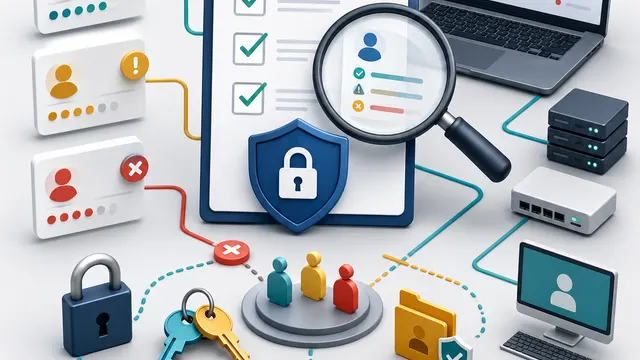
Access Review Checklist for IT Teams
This guide provides an access review checklist for IT teams to audit and secure system access. Learn how to reduce risk and protect RMM environments.
IT Management
IT Monitoring and Alerting: How to Detect, Prioritize, and Respond to Issues
This guide explains how IT monitoring and alerting help detect and respond to issues early. Learn best practices for prioritization, automation, and incident response.
IT Management
What Is Device Firmware and How Is It Updated?
Device firmware is embedded software that controls hardware behavior and startup processes. This guide explains how firmware works, how firmware updates are performed, and why firmware maintenance matters for IT teams.
IT Management
What Is Endpoint Visibility?
Endpoint visibility gives IT teams a clear view of connected devices, including health, ownership, performance, and security status. Strong visibility helps reduce blind spots and improve IT operations.
IT Management
What Are Device Drivers?
Device drivers allow operating systems to communicate with hardware devices. This guide explains how drivers work, why they matter, and how driver management supports reliable endpoint operations.
IT Management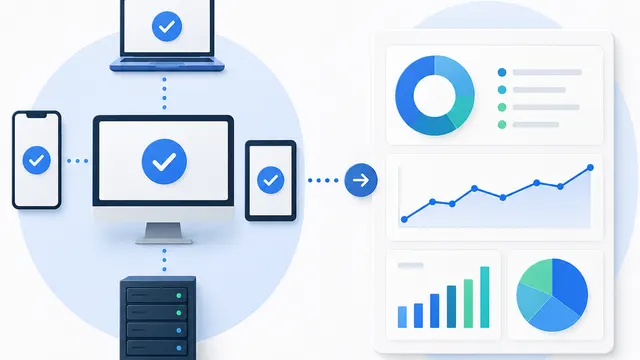
Endpoint Compliance Reporting Explained
This guide explains endpoint compliance reporting and how it supports secure, scalable endpoint management. It helps IT teams improve visibility and enforce policies using Level.
IT Management
What Is a Motherboard Chipset?
A motherboard chipset manages communication between processors and hardware devices. This guide explains how chipsets work, why they matter, and how they affect compatibility, security, and endpoint management.
IT Management
How to Build an Endpoint Management Policy
Learn how to create a structured endpoint management policy for consistent monitoring and security. This guide covers key components, steps, and best practices for scalable IT operations.
IT Management
IT Asset Management: How to Track, Manage, and Optimize Assets
This guide explains how to track and manage IT assets across their lifecycle. Learn how to optimize resources, improve visibility, and strengthen security.
IT Management
How to Create IT SOPs for Repeatable Operations
Learn how IT teams and MSPs can create standardized SOPs that improve operational consistency, strengthen security, and support scalable service delivery. This guide covers SOP frameworks, documentation best practices, automation strategies, and repeatable operational workflows.
IT Management
Hardware Lifecycle Management for IT Teams
Hardware lifecycle management helps IT teams maintain reliable, secure, and cost-effective infrastructure. Learn how proactive lifecycle planning improves visibility, uptime, and operational efficiency.
IT Management
Software Inventory Management Best Practices
Software inventory management helps organizations track applications, improve security, and optimize software spending. Learn the best practices for maintaining visibility and control across modern software environments.
IT Management
Unlocking Modern Endpoint Management with Microsoft Intune
Microsoft Intune provides powerful cloud-based device management for secure and compliant operations. When integrated with Level, it becomes a complete endpoint-management system with advanced automation, cross-platform visibility, and reporting.
IT Management
WSUS vs Modern Patch Management: Why IT Teams Are Moving Beyond Legacy Approaches
WSUS was once the backbone of Windows patching. But at scale, it struggles with automation, reporting, and cross-platform coverage.
IT Management